

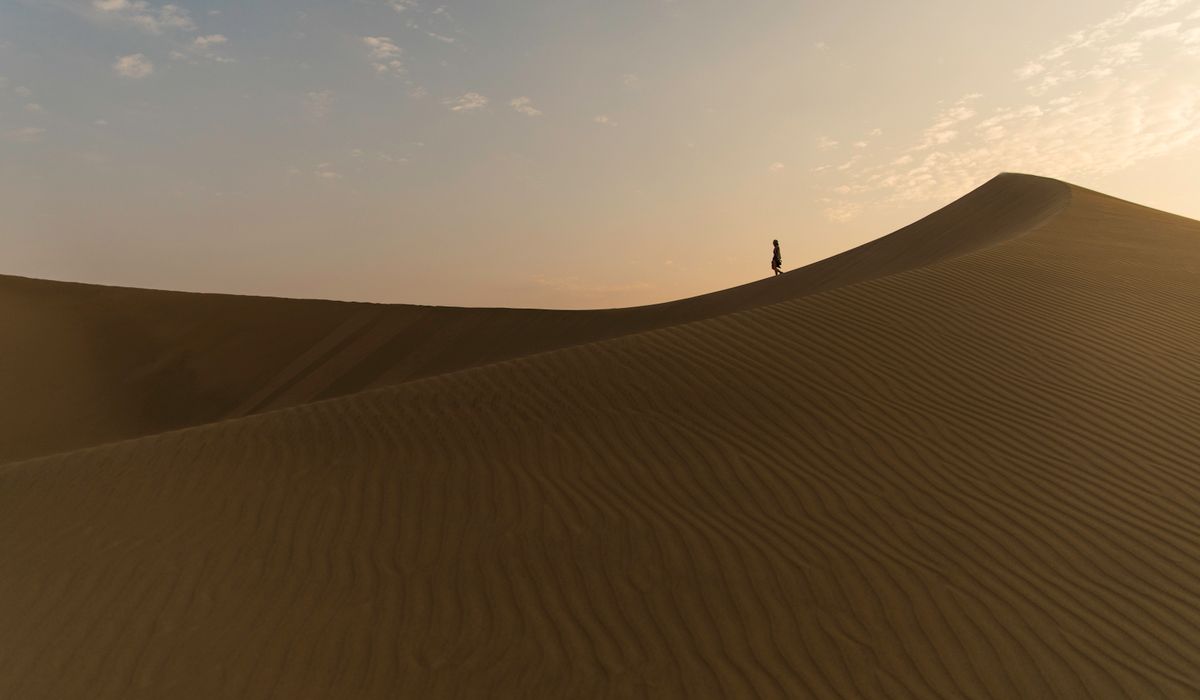
Sand dunes are often dismissed as barren piles of sand. In reality, they are among the UK’s most biodiverse and fragile habitats, supporting specialised plants, insects, reptiles, amphibians and birds. Understanding why they matter is the first step to protecting them.
Dunes are dynamic. They form where wind-blown sand is trapped by pioneer plants, and they shift constantly. This creates distinct zones: strandline, foredunes, yellow dunes, grey dunes, dune slacks and sometimes dune heath or scrub.
Each zone has its own community. The strandline feeds wading birds. Foredunes are built by marram grass. Grey dunes support lichens and short turf. Dune slacks are damp hollows that flood in winter and host orchids and amphibians.
Because dunes are always moving, they contain a mix of bare sand, short turf, tall grass, wet hollows and scrub. This mosaic is the key to their biodiversity: many species depend on the open, early stages that are rare elsewhere.
Marram grass is the classic dune builder. Its deep roots and ability to grow through fresh sand stabilise the foredunes, sheltering other plants. Sand couch and lyme grass play similar roles. Once sand is fixed, sea holly, sea bindweed, restharrow and viper’s bugloss add colour and nectar.
Grey dunes are often carpeted with lichens and mosses. In dune slacks, the water table is close to the surface, and here you can find rare plants such as marsh helleborine, early marsh orchid and the tiny fen orchid. These are slow-growing and vulnerable to disturbance or changes in water levels.
Many dune species are small, camouflaged or nocturnal. Solitary bees and wasps burrow into bare sand. Tiger beetles sprint across open patches. Butterflies like the grayling and dark green fritillary feed on dune nectar, while the small blue depends on kidney vetch.
Reptiles need open, sunny spots for basking. The sand lizard is one of the UK’s rarest reptiles, largely confined to dunes and heathland. Common lizards, slow worms and adders also use these habitats. Natterjack toads breed in shallow dune slack pools that dry out in summer, keeping fish away.
Birds use dunes for nesting and feeding. Skylarks and meadow pipits sing from the air, stonechats perch on scrub, and ringed plovers and little terns nest nearby. Rabbits are vital: their grazing keeps grass short and creates the bare sand that many insects and reptiles need.
Despite their importance, dunes are under threat. Coastal squeeze is a major problem: as sea levels rise, dunes would naturally roll inland, but sea walls, roads and buildings block that movement. This leaves them trapped between a rising sea and fixed development.
Unmanaged recreation damages dunes. Trampling kills fragile plants and disturbs nesting birds. Invasive species such as sea buckthorn and Japanese rose spread quickly, shading out native plants. A lack of grazing allows scrub and rank grass to take over, wiping out the early successional stages that many species need.
Nitrogen pollution from agriculture and traffic encourages coarse grasses at the expense of wildflowers. Climate change brings more extreme storms, droughts and rainfall, eroding dunes or flooding dune slacks at the wrong time. These pressures have caused a sharp decline in dune wildlife.
Good dune conservation restores natural processes. Conservation grazing with hardy cattle or ponies is one of the most effective tools: their trampling creates bare sand, their grazing controls scrub, and their dung supports insects. Scrub removal helps reopen overgrown areas, but must be repeated.
Dune slacks need careful water management. Clearing ditches or blocking drains raises water levels, while cutting reeds and scrub prevents them drying out. Creating bare sand patches and shallow pools helps reptiles and amphibians. Paths and boardwalks channel visitors away from sensitive areas, and temporary fencing protects nesting birds.
Monitoring is vital. Volunteers survey plants, insects, reptiles and birds to see what works. Sand lizards and natterjack toads have been reintroduced to dunes where they had disappeared. Allowing dunes to breach and roll back where possible is the long-term answer.
You do not need to be a scientist to make a difference. Stick to marked paths and boardwalks. Keep dogs on leads where birds nest, especially in spring and summer. Never pick flowers or dig up plants, and take all litter home.
If you live near the coast, join a local conservation volunteering group. Practical tasks like scrub bashing, fencing and litter picks are sociable and rewarding. Recording your wildlife sightings helps build a picture of how dunes are changing. Support shoreline management that gives dunes room to move. And tell others why these sandy places matter.
Sand dunes are not wasteland. They are bustling, specialised ecosystems. By understanding and protecting them, we keep a vital part of our natural heritage alive.

Dune Notes No rushing, no fuss — just thoughtful notes and practical help, written by people who care.

Dune Notes Real stories, useful guides and the occasional recommendation, all in one calm corner of the web.

Collecting sea glass can be enjoyable, but responsible beachcombing means leaving wildlife undisturbed and taking only a few pieces home.

Comments
ALina Kelian
19th May 2018 ReplyDune Notes Written for people who value the details, and want honest guidance they can trust. ullamco laboris nisi ut aliquip ex ea commodo consequat.
Rlex Kelian
19th May 2018 ReplyDune Notes We spend our time finding what works so you don't have to, and sharing exactly what made the difference. ullamco laboris nisi ut aliquip commodo.
Roboto Alex
21th May 2018 ReplyDune Notes Real stories, useful guides and the occasional recommendation, all in one calm corner of the web. ullamco laboris nisi ut aliquip ex ea commodo consequat.