

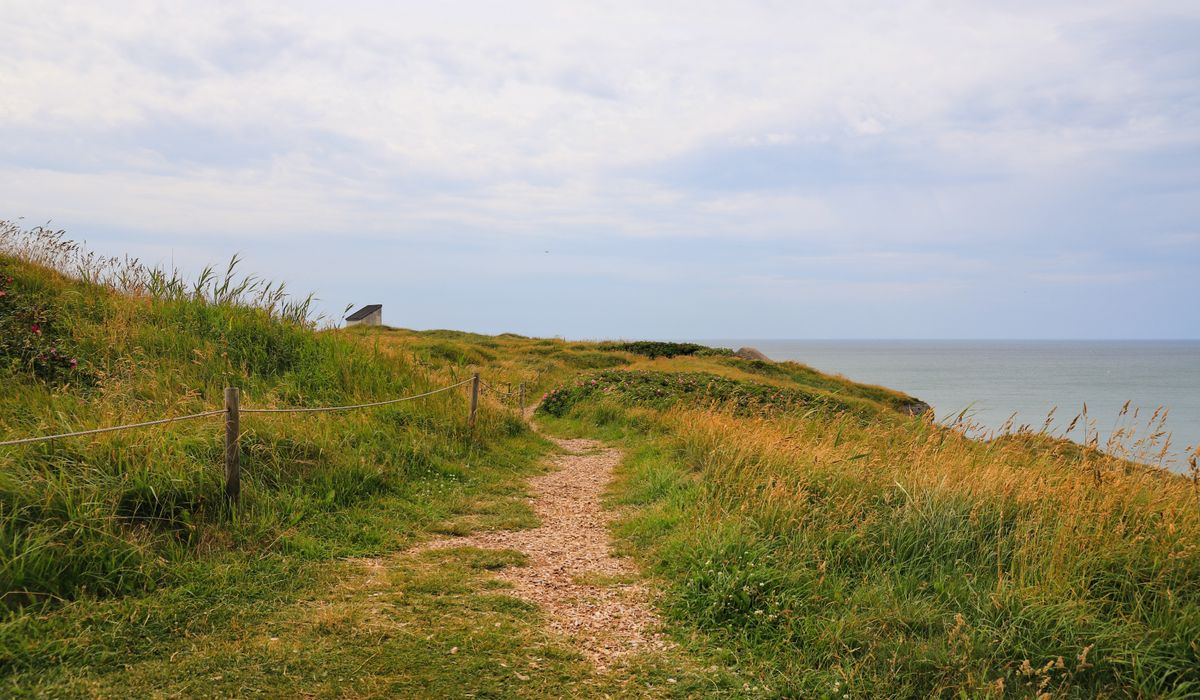
Anyone who walks the same stretch of shoreline through the year will know the feeling: a familiar boardwalk ramp now hangs over a metre of empty air, a dune-top path has narrowed to a ledge, and the sandy slope you scrambled up last summer is a sheer, crumbling face. Coastal erosion is not a rare event. It is the everyday work of wind, waves and tides acting on soft ground — and a substantial share of the UK's coastline is made of exactly that kind of shifting material.
Paths are often the first place we notice the change, because they are the places we use. But they are also threads that link dunes, shingle and saltmarsh, and when they shift, the wildlife that depends on those habitats shifts with them. Understanding what is happening underfoot makes for a safer, richer walk — and a more useful one.
Erosion is rarely down to one thing. It is usually a combination, and the balance tips from season to season.
Dunes and shingle are among the most fragile habitats in the UK, and erosion reshapes them constantly. Marram grass, sea couch and sand sedge bind the sand; their roots and rhizomes are the structure that keeps a dune standing. Once vegetation is scuffed away — by erosion or by trampling — the wind gets to work and a blowout can open up quickly.
The animals here are adapted to a shifting world, but only up to a point. Sand lizards and natterjack toads need open, warm sand and shallow pools, both of which are lost if dunes become overgrown or are washed into the sea. Ringed plovers, oystercatchers and little terns nest on bare shingle and sand above the tide line, where a single footstep can crush a clutch of eggs that is almost invisible against the stones. For all of them, a path that is stable and clearly defined is a lifeline: it concentrates our footsteps into one place and leaves the rest of the habitat undisturbed.
You do not need specialist kit to notice where erosion is active, and a little observation will help you plan a safer route.
Checking tide times and the forecast before a coastal walk is simple, and it matters more than ever when the ground itself is uncertain.
Good coastal visiting is mostly about small choices, made consistently.
If you spot damage, a blocked drainage channel or a collapsed boardwalk, report it to the local authority or the land manager responsible for the site.
In some places, the most sensible response to erosion is not to hold the line but to give it room. Managed realignment and rollback — moving paths, car parks and defences inland as the shoreline retreats — are increasingly common, alongside softer measures such as sand fencing, brushwood and replanting to help dunes rebuild naturally. These approaches can look untidy in the short term and can mean a favourite route changes for good.
That is an adjustment, and it is fair to feel a pang about it. But a coast that can move is a coast that can also heal. By walking lightly, respecting diversions and paying attention to what the sand is telling us, visitors become part of the solution rather than part of the pressure — and there will still be a path worth following next year.

Dune Notes No rushing, no fuss — just thoughtful notes and practical help, written by people who care.

Dune Notes Real stories, useful guides and the occasional recommendation, all in one calm corner of the web.

Walking on soft sand can be tiring; discover techniques for steady footing, conserving energy and protecting fragile dune vegetation.

Comments
ALina Kelian
19th May 2018 ReplyDune Notes Written for people who value the details, and want honest guidance they can trust. ullamco laboris nisi ut aliquip ex ea commodo consequat.
Rlex Kelian
19th May 2018 ReplyDune Notes We spend our time finding what works so you don't have to, and sharing exactly what made the difference. ullamco laboris nisi ut aliquip commodo.
Roboto Alex
21th May 2018 ReplyDune Notes Real stories, useful guides and the occasional recommendation, all in one calm corner of the web. ullamco laboris nisi ut aliquip ex ea commodo consequat.