

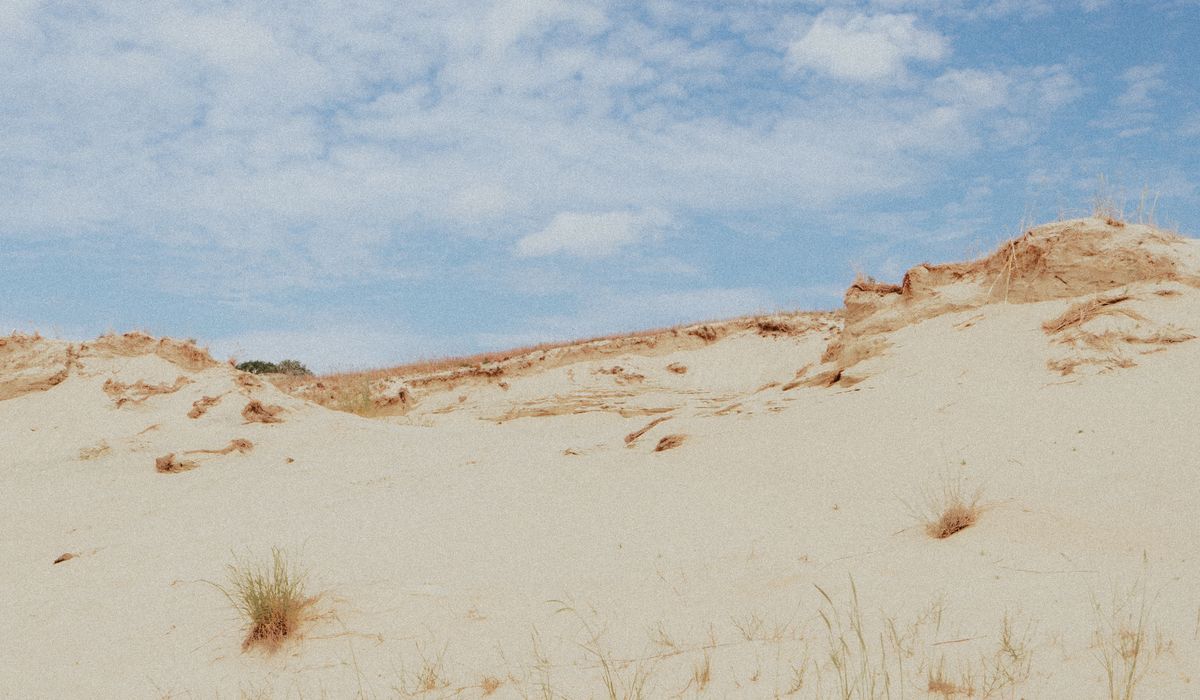
Coastal dunes and shoreline wildlife offer some of the most rewarding walks in the UK. But the sea moves faster than most people expect. A beach that is wide and open at low water can be a narrow strip of sand within an hour, and the path back to the dunes may be cut off. Tide tables are not just for sailors. They are a simple, free tool that tells you when the water will rise and fall, so you can plan a walk that keeps you safe and leaves you free to enjoy the wildlife without worry.
Every tide table is built on three simple ideas. Once you understand them, the rest is just looking up the right line.
In the UK, tides are usually semidiurnal, which means there are two high waters and two low waters roughly every 24 hours and 50 minutes. That extra 50 minutes is why the tide times shift later each day.
A tide table looks like a grid. Each day has a row, and each row is split into columns. Here is what you will see.
Most published tables are for a reference port, such as a large harbour. If you are walking at a nearby beach, you may need a secondary port correction, which adds or subtracts a few minutes and a few centimetres. Local tide tables for your specific stretch of coast are always best.
Tides do not behave the same every day. Around the full moon and new moon, the sun and moon pull together and you get spring tides. These have the biggest range: very high high waters and very low low waters. Around the first and third quarters of the moon, you get neap tides, which are gentler. Spring tides are not automatically dangerous, but they mean the water comes in further and faster. A beach that is safe at neap high water may be completely covered at spring high water.
The rule of twelfths is a rough way to estimate how fast the water rises. In the first hour after low water, the sea rises one-twelfth of the tidal range. In the second hour, two-twelfths. In the third and fourth hours, three-twelfths each. Then it slows down: two-twelfths in the fifth hour and one-twelfth in the sixth. The middle hours are when the water moves fastest. That is why being on a sandbank two hours after low water is so risky.
Good planning starts before you leave the house. Pick a walk that has an easy escape route back to higher ground, such as a dune ridge or a cliff path. Avoid long spits, estuaries and sandbars where the only way back is across the sand you just walked. Remember that coastal dunes are fragile habitats. They shelter nesting birds such as ringed plovers and little terns, and they are home to rare plants and insects. Stay on marked paths, keep dogs on leads near wildlife, and never disturb seals that have hauled out on the sand.
Before you set off, run through this simple routine. It takes two minutes and could save your life.
Reading a tide table is a skill that quickly becomes second nature. With a little practice, you will know exactly when the sea is your friend and when it is time to head for the dunes. That confidence lets you enjoy the shoreline wildlife and conservation areas as they deserve to be enjoyed: safely, quietly and with respect.

Dune Notes No rushing, no fuss — just thoughtful notes and practical help, written by people who care.

Dune Notes Real stories, useful guides and the occasional recommendation, all in one calm corner of the web.

Discover quiet estuary paths where curlews, oystercatchers and redshanks gather in winter, with tips on clothing, timing and respectful viewing.

Comments
ALina Kelian
19th May 2018 ReplyDune Notes Written for people who value the details, and want honest guidance they can trust. ullamco laboris nisi ut aliquip ex ea commodo consequat.
Rlex Kelian
19th May 2018 ReplyDune Notes We spend our time finding what works so you don't have to, and sharing exactly what made the difference. ullamco laboris nisi ut aliquip commodo.
Roboto Alex
21th May 2018 ReplyDune Notes Real stories, useful guides and the occasional recommendation, all in one calm corner of the web. ullamco laboris nisi ut aliquip ex ea commodo consequat.