

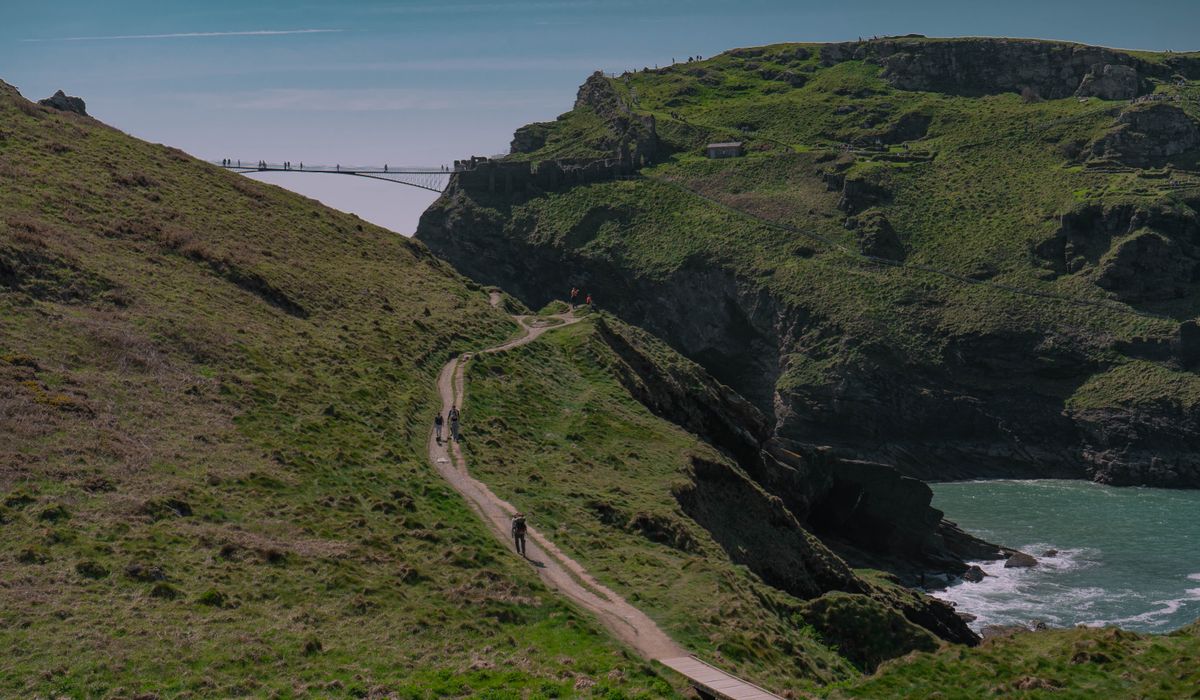
Anyone who has walked a dune system at midday knows the problem: flat light, hard shadows, and a landscape that looks more like a building site than a wilderness. Return at first light and the same place becomes something else entirely. The ridges that vanished at noon reappear as sculpted lines, marram grass catches a rim of gold along each blade, and the wet sand holds the cool blue of the sky before the sun climbs too high.
In Britain, that window is short. In summer you may have as little as forty minutes of genuinely raking light after sunrise, and in winter perhaps an hour and a half. Check the sunrise time the night before, subtract thirty minutes for the blue hour, and add twenty for the walk in from the nearest car park. If the tide is low and there is a wet beach beside the dunes, even better: the damp sand will bounce reflected light back into the grass.
The trick with dunes is to photograph across the ridges rather than straight down them. Side-lighting — where the sun sits roughly ninety degrees to your left or right — turns every ripple into a ridge and every ridge into a shadow, which is what gives the landscape its texture. Walk the shoreline first, looking for the direction the light is falling, then choose your position to suit it rather than the other way around.
Backlighting is the other great pleasure of a dune morning. Stand with the sun in front of you and low to the horizon and the dew on marram or sea holly will sparkle, seed heads will glow, and airborne sand will pick up a faint haze. Be careful of flare: use a lens hood, shade the front element with your hand, and expect to lose contrast in the deepest shadows, which is often worth the trade.
You do not need much, but a few choices make a dune morning far easier:
Dunes are a lesson in leading lines, and the crest of a ridge does the work for you. Place the line so it enters from a corner and curls towards a distant feature — a lighthouse, a distant headland, a solitary clump of marram. Look for patterns of repeating ridges marching inland, and compress them with a longer lens until they read as abstract stripes. A small foreground detail, such as a shell, a curl of driftwood or a run of bird tracks, gives the eye somewhere to land before it travels into the scene.
Shoot vertically when you want to convey the scale of a tall dune and horizontally when the interest is the sweep of a whole system. And resist the urge to walk all over the sand to find a cleaner composition. A single set of boot prints can ruin a foreground, and it will still be there next week.
Dune systems are among the most wildlife-rich habitats in the UK, and the morning hours are when much of that life is most active. Ringed plover, oystercatcher and little tern nest on sand and shingle between March and September, often as bare scrapes that are almost invisible. Natterjack toads shelter in damp slacks, sand lizards bask on south-facing slopes, and adder will emerge to warm up on the first sunny mornings of spring.
None of that has to spoil your photography. Keep at least fifty metres from any bird that is calling, circling or feigning a broken wing — those are all signs you are near a nest. Use a long lens rather than your feet. Move slowly and low, avoid silhouetting yourself on a skyline, and never fly a drone over a dune system in the breeding season. If a dog is with you, keep it on a short lead on waymarked paths, and stay out of the fenced enclosures that many reserves put up for nesting birds. If wildlife changes its behaviour because of you, you are too close.
The dunes you are photographing are also the dunes that hold the whole system together. Marram binds the sand with deep roots, and the embryo dunes nearest the beach are the youngest, most fragile part of it. Stick to boardwalks and established paths where they exist, cross the dunes by the shortest sensible route rather than zigzagging, and avoid the steep slip faces, which crumble at a touch.
Take everything home with you, including fruit peel and lens caps. Do not pick flowers or seed heads, however tempting the shot. If you see damage, disturbance or an injured animal, note the location and report it to the site warden or the local wildlife trust when you get back to the car. Photographers who behave well are quietly welcomed back; that goodwill is worth more than any single frame.

Dune Notes No rushing, no fuss — just thoughtful notes and practical help, written by people who care.

Dune Notes Real stories, useful guides and the occasional recommendation, all in one calm corner of the web.

A look at the natural processes of wind, sand and pioneer plants that build coastal dunes over many seasons and shape our shoreline.

Comments
ALina Kelian
19th May 2018 ReplyDune Notes Written for people who value the details, and want honest guidance they can trust. ullamco laboris nisi ut aliquip ex ea commodo consequat.
Rlex Kelian
19th May 2018 ReplyDune Notes We spend our time finding what works so you don't have to, and sharing exactly what made the difference. ullamco laboris nisi ut aliquip commodo.
Roboto Alex
21th May 2018 ReplyDune Notes Real stories, useful guides and the occasional recommendation, all in one calm corner of the web. ullamco laboris nisi ut aliquip ex ea commodo consequat.