

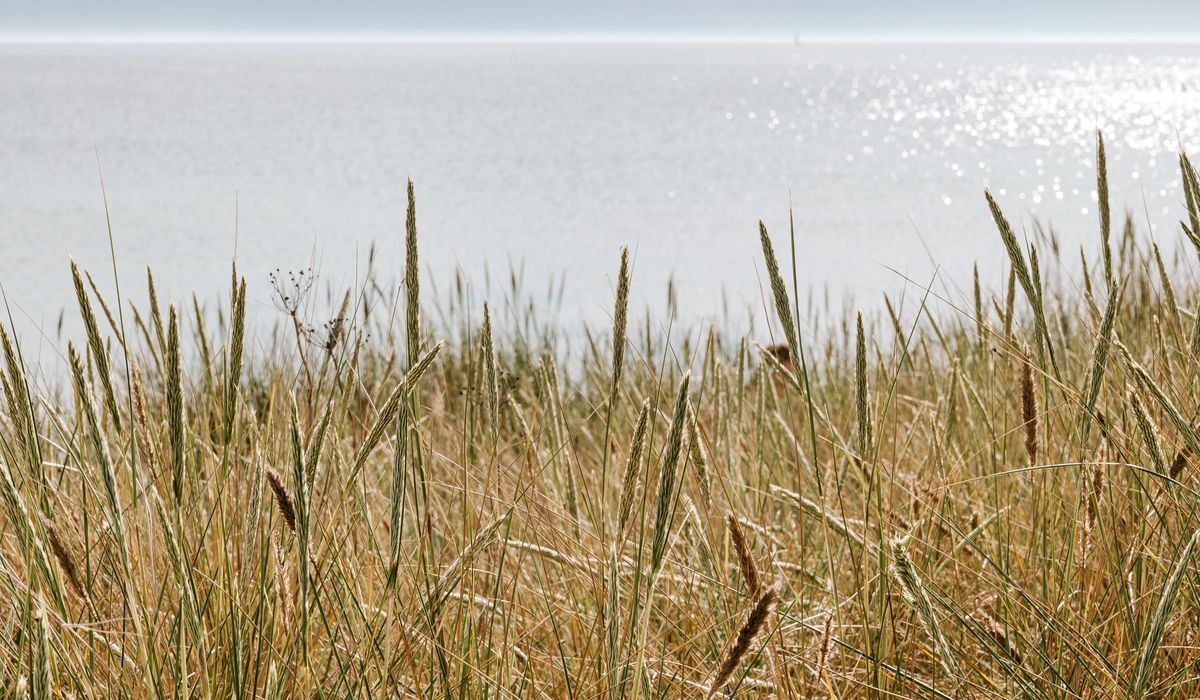
Between March and July, the UK's shoreline becomes a nursery. Ringed plover, oystercatcher, little tern, curlew and lapwing all raise young on shingle, sand and dune-edge habitats that look, to the untrained eye, like nothing more than empty beach. That is precisely the problem. A nest is often a shallow scrape in the ground, barely distinguishable from the surrounding pebbles, holding three or four perfectly camouflaged eggs. There is no tree to hide it, no nest to see from a distance, and no barrier between it and a walker, a dog or a kite.
The stakes are high. A single disturbance can cause an adult bird to leave the nest, exposing eggs to crows, gulls and the cold. Repeat that a few times a morning and a clutch can fail within hours. On busy stretches of coast, up to a third of breeding attempts are lost to human pressure alone. The good news is that shorebirds are remarkably tolerant of people who behave predictably and keep their distance. With a few simple habits, you can share the beach without costing a chick its life.
Shorebirds tell you when you are too close — you just have to know the language. Watch for these behaviours and treat them as a polite request to back off:
If you see any of this, stop, turn away and retrace your steps. Retracing is better than pushing on, because a bird that has been flushed once will often stay off the nest for fifteen minutes or more.
Dogs are the single biggest cause of nest loss on many UK beaches, not because they are aggressive but because they are curious, fast and off the lead at exactly the wrong moment. A dog running through a nesting colony can flatten eggs without ever noticing them.
Most people would never knowingly tread on a clutch of eggs, yet it happens every spring. Eggs of ringed plover and little tern are speckled grey-brown and effectively invisible against shingle. Practical habits that help:
Coastal dunes are not just scenery — they are the buffer that keeps nests above the tideline and gives chicks cover from the wind. Dune grass traps sand and builds the very ground the birds breed on, so damage to vegetation has knock-on effects for years.
Support your local wildlife trust or council dune project by joining a volunteer work party, reporting fly-tipping or damaged fencing, and respecting temporary closures. If you spot something that looks like a disturbance incident — a dog chasing terns, people trampling a roped area — report it to the site warden or the local authority rather than confronting anyone yourself. Wardens need records to justify future protection.
Conservation works best when it feels welcoming. If you see someone heading towards a nesting area, a calm, kind comment goes much further than a telling-off: "Lovely day — just so you know, there are little tern chicks on that shingle, so I'd keep to the water's edge." Most people simply do not know, and almost all of them will change course.
Talk to children about the birds as you walk. A child who has watched an oystercatcher pip an egg, or seen a chick the size of a bumblebee scurry to the shore, becomes a lifelong defender of the coast. Share the beach, keep your distance, and let the shorebirds do the rest.

Dune Notes No rushing, no fuss — just thoughtful notes and practical help, written by people who care.

Dune Notes Real stories, useful guides and the occasional recommendation, all in one calm corner of the web.

Coastal weather changes quickly; understanding wind, cloud and temperature helps you choose suitable clothing and decide when to turn back.

Comments
ALina Kelian
19th May 2018 ReplyDune Notes Written for people who value the details, and want honest guidance they can trust. ullamco laboris nisi ut aliquip ex ea commodo consequat.
Rlex Kelian
19th May 2018 ReplyDune Notes We spend our time finding what works so you don't have to, and sharing exactly what made the difference. ullamco laboris nisi ut aliquip commodo.
Roboto Alex
21th May 2018 ReplyDune Notes Real stories, useful guides and the occasional recommendation, all in one calm corner of the web. ullamco laboris nisi ut aliquip ex ea commodo consequat.