

Coastal dunes are among the most fragile habitats in the UK. They are home to marram grass, sand lizards, natterjack toads and a host of butterflies, whilst the shoreline itself supports oystercatchers, ringed plovers and seals. A family walk here can be magical – but only if we tread lightly. The good news is that you do not need to hike for miles. A slow, short amble with plenty of stops is often the best way to see wildlife and keep everyone smiling.
Look for waymarked boardwalks, flat sandy paths and short circular loops of two to three kilometres. Many nature reserves have pushchair-friendly trails, which save your back and protect the dunes from widening paths. Avoid steep, loose dunes – climbing them destroys the marram grass that holds the sand together. Check tide times before you go: low tide opens up more beach, but incoming tides can cut off coves. Aim to walk early in the morning or late afternoon, when wildlife is active and the sun is gentler. Between March and July, keep to lower paths and away from roped-off nesting areas on the upper beach.
Happy children are warm, fed and dry. A rucksack with a flask of tea or squash, water bottles, fruit, biscuits and a few surprise treats works wonders. Layers are essential because coastal wind can chill even a sunny day. Wellies or sturdy sandals, spare socks, sun cream, hats and waterproofs should all come along. Wet wipes and a small bin bag are non-negotiable. For toilet stops, check where public loos are before you set off – and if you use a travel potty behind a dune, bag everything and carry it to a bin. Never leave nappies or wipes in the dunes; they do not decompose and harm wildlife. Here is a simple checklist:
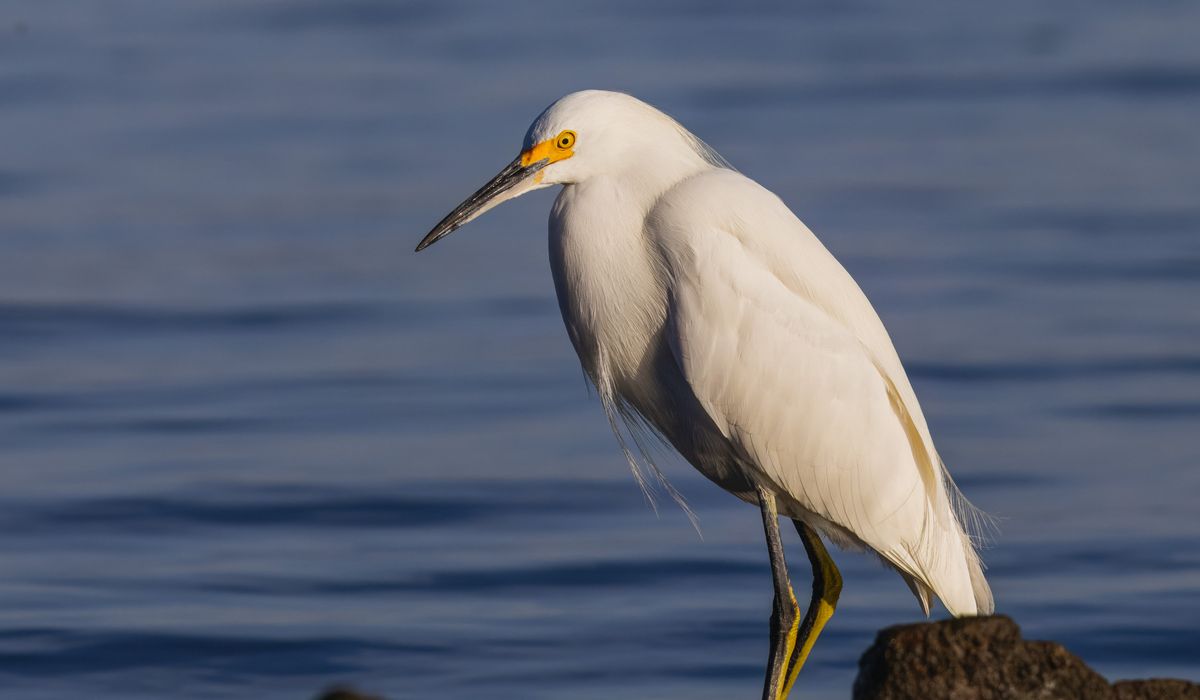
On the shoreline, look for oystercatchers with their orange bills, ringed plovers scurrying on the sand, and curlews probing the mud. In the dunes, listen for skylarks and watch for common blue butterflies, six-spot burnet moths and sand lizards basking on bare sand. Seals may pop up offshore. The golden rule is simple: keep your distance, stay quiet and never feed wildlife. Dogs should be on a short lead near birds and nesting areas. Do not pick flowers such as sea holly or bee orchids, and do not chase lizards. If a bird starts alarm-calling or pretending to have a broken wing, you are too close – back away slowly.
Dunes are built by marram grass, whose deep roots trap sand. One careless footstep can kill a plant that took years to grow. So stick to paths and boardwalks, even if it means a longer route. Teach children to leave shells, pebbles and driftwood where they find them – they are homes for tiny creatures. Litter picks are a brilliant family activity; give each child a glove and a bag, and see who can collect the most. Never light fires or barbecues in the dunes. If you bring a picnic, eat it on the beach or a bench, not among the grass, and take every crumb home. These small habits add up to real conservation.
Finish with a reward: an ice cream, a paddle or a game of beach cricket. Check everyone for ticks after walking through long grass, and wash hands before eating. A family walk that respects the coastline teaches children that wild places are worth protecting. You will come home sandy, tired and happy – and the dunes will be no worse for your visit.

Dune Notes No rushing, no fuss — just thoughtful notes and practical help, written by people who care.

Dune Notes Real stories, useful guides and the occasional recommendation, all in one calm corner of the web.

Seals need rest and space; learn how to recognise disturbance signs and enjoy watching them from a respectful distance on the shore.

Comments
ALina Kelian
19th May 2018 ReplyDune Notes Written for people who value the details, and want honest guidance they can trust. ullamco laboris nisi ut aliquip ex ea commodo consequat.
Rlex Kelian
19th May 2018 ReplyDune Notes We spend our time finding what works so you don't have to, and sharing exactly what made the difference. ullamco laboris nisi ut aliquip commodo.
Roboto Alex
21th May 2018 ReplyDune Notes Real stories, useful guides and the occasional recommendation, all in one calm corner of the web. ullamco laboris nisi ut aliquip ex ea commodo consequat.